

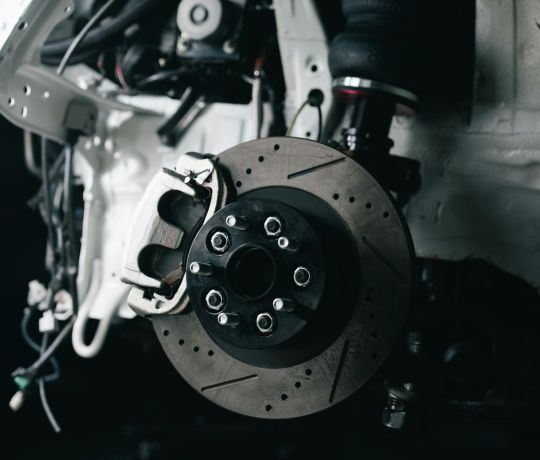
ABS Repair in Iowa City IA
Anti-lock braking helps control wheel movement during hard stops when road grip changes. A fault can reduce that support even when regular braking feels normal. Drivers notice a warning light, unusual pedal feedback, or different braking behavior. At Harris Boyz Auto Repair Shop, we examine these signs before deciding what repair is needed. Our ABS repair in Iowa City IA, focuses on identifying the cause instead of replacing parts without testing.
These signs explain when the ABS needs attention:
- Persistent ABS Light: A light that stays on after startup can show the control system detected a fault and disabled anti-lock operation until the cause is checked properly.
- Light While Driving: An ABS light that appears during a trip may point to an intermittent sensor signal, wiring issue, or changing electrical connection that needs direct testing.
- Unexpected Brake Behavior: Pedal pulsing during normal stops, wheel lock during hard braking, or changed wet-road response can indicate that ABS operation is not responding as designed properly.
An ABS warning light diagnosis helps separate an active fault from a stored code. We compare warning signs with scan data and physical checks. This helps us keep the repair focused on the ABS fault actually affecting the vehicle.
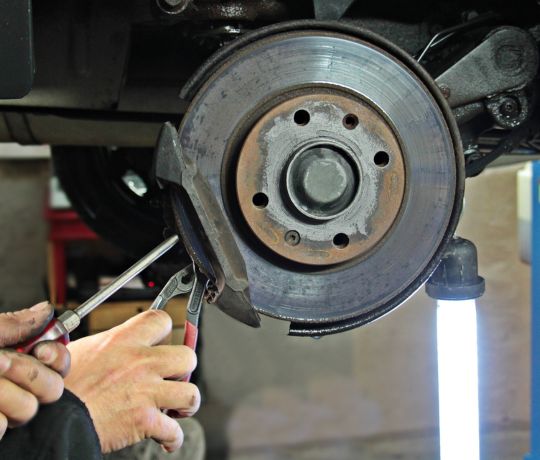
ABS Problems We Can Diagnose
ABS faults can come from several parts that work together to track wheel movement and control brake pressure. A faulty wheel speed sensor may send missing or inaccurate speed data to the control module. Damaged sensor wiring can interrupt that signal, while a broken connector may cause the problem to appear only at certain times. Our automotive ABS diagnostics compare stored fault codes with live wheel-speed information so the repair is based on what the system is actually reporting. Harris Boyz Auto Repair Shop also checks tone rings because dirt, rust, cracks, or damaged teeth can affect the signal the sensor reads.
A control module fault can create warning lights, communication errors, or incorrect commands even when the wheel sensors are working. During anti-lock brake repair in Iowa City IA, we inspect the related circuit instead of assuming the first code identifies the failed part. We check sensor condition, connector fit, wiring damage, tone ring condition, and module communication in a logical order. This helps us distinguish a failed component from a poor electrical connection. The goal is to identify the exact source of the ABS fault before repair work begins. That keeps testing focused and reduces unnecessary part replacement decisions.
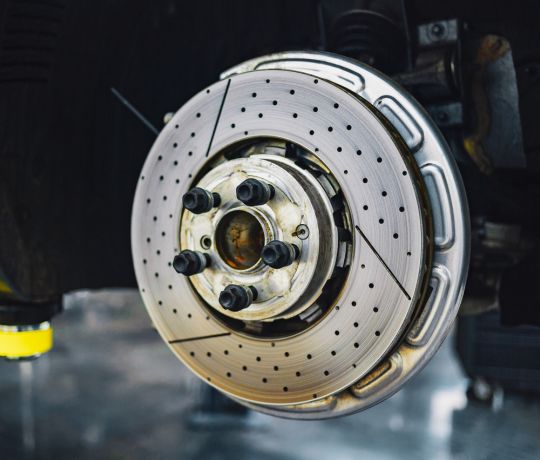
How Does Our ABS Repair Process Work
A clear repair process starts by checking the ABS control system rather than guessing from the warning light alone. Harris Boyz Auto Repair Shop scans the system, reviews stored fault codes, and identifies the wheel or circuit linked to the problem. We provide ABS repair with direct system testing to confirm the faulty component before any replacement is made. We use the same basic process for different makes and models, adjusting test steps to match the vehicle design.
These steps show how our auto ABS repair process moves from diagnosis to confirmation:
- Scan and Review: We read ABS fault codes and related data, then compare that information with current symptoms before choosing the next inspection or testing step for confirmation.
- Inspect and Test: We examine the affected wheel, sensor circuit, wiring, and connectors, then test signal response to identify where the ABS fault begins properly within that circuit.
- Confirm the Cause: We verify the failed component before anti-lock brake system (ABS) repair in Iowa City IA, so the work addresses the actual problem instead of replacing parts based only on stored fault codes alone.
After car ABS repair in Iowa City IA, we clear relevant codes, recheck system communication, and confirm wheel-speed readings respond correctly before the vehicle returns to normal road use. We also inspect the dashboard for warning indicators and perform a controlled road check when conditions allow. This lets us watch pedal response, low-speed braking behavior, and system readiness under normal driving conditions. Any remaining concern is reviewed before the vehicle is released, giving the repair a final functional check.
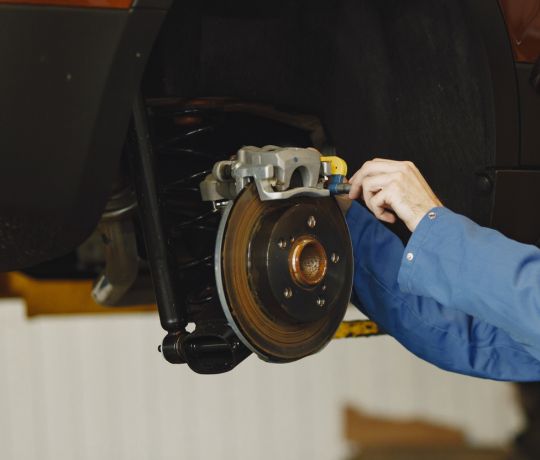
Benefits of Professional ABS Repair
Correct ABS repair helps the braking system respond as intended when a wheel is close to locking during a hard stop. That support can help the driver keep steering control while braking instead of losing directional response.
During anti-lock brake repair in Iowa City IA, Harris Boyz Auto Repair Shop also checks whether inaccurate wheel-speed information is affecting related traction control functions. A repaired sensor, wiring circuit, tone ring, or control unit can restore the data the system needs to compare wheel movement. Because these systems often share information, we also review dashboard indicators when the ABS fault has triggered a warning. This can reveal whether the repair resolved linked concerns or whether a separate issue needs attention. Keeping those checks distinct helps avoid treating an unrelated warning as part of ABS failure.
Our anti-lock brake system repair in Iowa City IA, focuses on correcting the identified fault so the ABS can react to real wheel-speed changes rather than false readings. This matters on wet or loose road surfaces where wheel grip can change quickly. Proper repair can also stop repeated warning lights caused by the same unresolved issue. At our ABS repair shop, we confirm that the system communicates, receives usable speed signals, and responds without returning the same fault code. The result is not simply a cleared dashboard light.
With ABS sensor repair in Iowa City IA, we check the braking support system for the fault that caused the warning and repair it based on what we find during diagnosis. That gives drivers clearer information about the system after service.