

Check Engine Light Repair in Iowa City IA
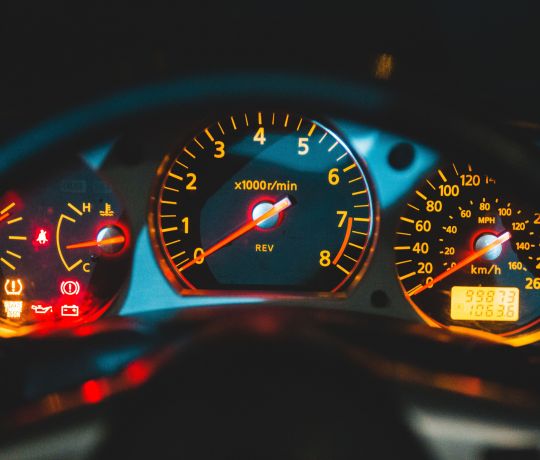
A check engine light means the vehicle computer has recorded a fault affecting engine operation, fuel control, ignition, emissions, or another monitored system. A solid light may signal a fault that needs checking, while a flashing light can point to an active misfire. At Harris Boyz Auto Repair Shop, we offer check engine light repair in Iowa City IA, to identify the cause instead of simply clearing the warning. Our check engine light testing connects these symptoms with stored vehicle data.
These warning signs help explain when vehicle testing should be arranged:
- Solid Warning Light: A steady light can appear while the vehicle still drives normally, but the stored fault still needs proper checking before continued driving.
- Flashing Warning Light: A flashing light often points to an active misfire that may affect engine operation and place added strain on emissions parts.
- Rough Engine Idle: Uneven idling can occur when fuel, ignition, air, or sensor readings cause one or more engine cylinders to run incorrectly.
- Engine Misfiring: Repeated misfires may cause shaking, power loss, or poor acceleration and can leave cylinder-specific fault information inside the vehicle computer.
Our team explains what the warning behavior indicates before moving into further testing and repair. Drivers seeking check engine light repair in Iowa City can also report rough idle, shaking, hesitation, or weak acceleration.

Trouble Codes Our Service Can Address
Vehicle computers store trouble codes when monitored readings fall outside expected operating ranges. These codes help narrow down the system that requires testing, but they do not always identify the exact failed part. During check engine light repair, Harris Boyz Auto Repair Shop reads stored and pending codes before checking related components.
Engine misfire codes may identify one cylinder or show misfires across several cylinders. Oxygen sensor codes can indicate an incorrect exhaust reading, wiring issue, or another engine condition affecting the sensor. We offer proper check engine light diagnosis in Iowa City IA, to separate a sensor reading problem from an ignition, fuel, air, or emissions fault. Fuel mixture codes may appear when the engine runs too rich or too lean. EVAP system codes can relate to leaks, valves, hoses, or pressure readings within the vapor control system.
Catalytic converter codes also require careful review because another engine fault may affect converter readings. Our car computer diagnostics compare stored codes with current vehicle behavior before making a repair decision. This approach helps avoid replacing a component solely because its name appears in a trouble-code description.
Ignition Faults That Trigger Warning Lights
Ignition faults can interrupt proper combustion and cause the vehicle computer to record repeated misfires. At Harris Boyz Auto Repair Shop, we check ignition-related problems against the symptoms reported by the driver. Our auto engine diagnostics in Iowa City IA, help determine whether spark delivery changes during idle, acceleration, cold starts, or other driving conditions. These engine diagnostics also help identify faults across different vehicle and engine designs.
The following ignition checks focus on common causes behind warning-light activation:
- Spark Plug Checks: Faulty spark plugs can weaken combustion and cause repeated misfires. We inspect plug condition, wear, and firing behavior before deciding whether replacement is required today.
- Ignition Coil Testing: Worn ignition coils can fail under load even when the engine starts normally. We test coil output and cylinder response to identify weak ignition delivery.
- Plug Wire Inspection: Damaged plug wires can leak voltage and interrupt spark delivery. We check visible wear, connection points, and cylinder behavior to confirm the fault.
- Cylinder Misfire Review: Cylinder misfires can come from more than one ignition fault. We compare firing patterns and related readings before repairing the part causing the repeated misfire
During check engine light repair, we test ignition faults carefully so you get steadier starting, smoother engine operation, fewer misfires, and more reliable performance during everyday driving. We also compare ignition behavior under different engine loads because some faults appear only when demand increases. This can expose weak spark delivery that may not show during a simple idle check. Catching those patterns helps prevent wasted fuel, uneven combustion, and added strain on related engine components over time.
How Our Check Engine Repair Works
A warning light gives our team a starting point, but the repair process requires more than reading a code and replacing a named component. Drivers arranging check engine light repair in Iowa City first receive a review of the warning behavior, recent symptoms, and any changes in vehicle performance. Before testing begins, we also ask when the light first appeared and whether anything changed beforehand, such as recent maintenance, fueling, weather, or driving conditions. Those details can point us toward intermittent problems that may not be active in the shop, helping us plan more focused checks from the start.
We then use computer diagnostics in Iowa City IA, to read stored codes, pending codes, and available operating data from the vehicle computer. Code interpretation comes next. Our team considers what each code means and which systems can create that reading. For example, a fuel mixture code may relate to air entering the engine, fuel delivery, sensor readings, or another condition. Related system testing helps narrow these possibilities before changing parts.
During diagnostic auto repair, we confirm the fault by testing the system connected to the code. Depending on the recorded problem, we may review sensor signals, wiring, ignition behavior, fuel readings, or emissions controls. Once we confirm the cause, we will complete the needed repair. With our check engine light diagnostic service in Iowa City IA, we recheck the warning system and related readings so you know the recorded fault is addressed instead of only clearing the dashboard light temporarily.