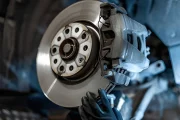
Your brakes are one part of your car that should never be ignored. If something feels off, makes a strange sound, or doesn’t stop the car like it used to, it’s trying to tell you something. Knowing the warning signs early can help you avoid expensive repairs and, more importantly, keep you safe on the road.
The most common signs your brakes need immediate attention include:
- Squealing or grinding noises
- A soft or spongy brake pedal
- Vibrations while braking
- Your car is pulling to one side
- A brake warning light on your dashboard
Acting quickly when you notice these problems can prevent further damage and reduce the risk of an accident.
In this guide, you’ll learn the seven biggest warning signs of brake trouble, why they happen, and what you should do next. We’ll also share simple tips that can help you avoid costly brake repairs in the future.
Why healthy brakes matter
Every time you drive, you depend on your brakes to stop your vehicle safely. They help you avoid accidents, slow down in traffic, and stay in control during bad weather.
Brake problems usually start small. Catching them early often means a simpler repair instead of replacing several expensive parts.
Most brake problems begin with worn brake pads. Replacing brake pads on time often prevents damage to the brake rotors and calipers.
1. Your Brakes Make Squealing or Squeaking Noises
A high-pitched squeal is often the first warning sign.
Many brake pads are built with a small metal indicator that makes noise when the pads become too thin. Think of it as your car politely saying, “Hey, I need some attention.”
What Should You Do?
If the noise happens every time you brake, schedule a brake inspection soon.
Quick Tip: Don’t wait until the noise disappears. Sometimes the squealing stops because the brake pad has completely worn away—and that’s much worse.
2. You Hear Grinding When You Stop
Grinding is one of the most serious brake warnings.
It usually means the brake pad is completely worn out, allowing metal parts to rub together. This can damage your brake rotors and lead to a much larger repair bill.
If your brakes are grinding, avoid unnecessary driving and have the vehicle inspected immediately.
3. The Brake Pedal Feels Soft or Spongy
Your brake pedal should feel firm.
If it sinks toward the floor or feels unusually soft, there could be air in the brake lines or a brake fluid leak.
A soft pedal reduces your ability to stop quickly.
Possible Causes
- Low brake fluid
- Air in the brake system
- Brake fluid leak
- Master cylinder problems
4. Your Car Pulls To One Side
Does your vehicle drift left or right when braking?
This usually means one side of the braking system isn’t working correctly.
Possible reasons include:
- A sticking brake caliper
- Uneven brake pad wear
- Brake fluid problems
Driving like this can reduce control, especially during emergency stops.
Pulling while braking should never be ignored because it affects your ability to stop safely.
Brake Warning Signs at a Glance
| Warning Sign | Possible Cause | Urgency |
| Squealing brakes | Worn brake pads | High |
| Grinding noise | Metal-on-metal contact | Immediate |
| Soft brake pedal | Brake fluid or hydraulic issue | Immediate |
| The vehicle pulls sideways. | Brake caliper or uneven braking | High |
| Vibrating steering wheel | Warped brake rotors | High |
| Brake warning light | Brake system fault | Immediate |
| Burning smell | Overheated brakes | Immediate |
5. Your Steering Wheel or Brake Pedal Vibrates
Braking should feel smooth.
If the steering wheel shakes or the brake pedal vibrates, your brake rotors may be uneven or warped.
This often happens after repeated hard braking or overheating.
Why This Matters
Uneven rotors reduce braking performance and make stopping less comfortable.
Vibrations may start small, but they usually get worse over time if the problem isn’t fixed.
6. Your Brake Warning Light Comes On
Dashboard lights exist for a reason.
If the brake warning light stays on after starting the car, don’t ignore it.
It could mean:
- Low brake fluid
- Worn brake pads
- ABS system problems
- A parking brake issue
7. You Smell Something Burning After Braking
A strong burning smell after braking isn’t normal.
It may mean your brakes are overheating.
This often happens after driving downhill for a long time or when a brake caliper sticks.
What Should You Do?
Pull over somewhere safe.
Allow the brakes to cool before driving again.
If the smell continues, have your brakes inspected immediately.
Never pour water on overheated brakes. Sudden cooling can damage brake components.
How to Prevent Brake Problems
Brake repairs are easier when problems are found early.
Here are a few simple habits that help your brakes last longer.
Inspect Your Brakes Regularly
Have your brakes checked during routine vehicle maintenance.
Listen to New Sounds
Your car often tells you when something is wrong.
Don’t ignore new squeaks, grinding, or vibrations.
Check Brake Fluid
Low brake fluid affects stopping power.
Ask your technician to inspect it during service visits.
Avoid Aggressive Braking
Hard braking creates extra heat.
Smooth driving helps brake parts last longer.
A brake inspection once or twice a year can catch small problems before they become expensive repairs.
When Should You Stop Driving?
Some brake issues allow you to drive carefully to a repair shop.
Others should be treated as emergencies.
Stop driving if you notice:
- Grinding brakes
- Brake pedal goes to the floor
- Strong burning smell
- Brake warning light with poor braking
- Brakes barely stop the vehicle
If you’re unsure whether it’s safe to continue driving, it’s better to have the vehicle towed than risk an accident.
Conclusion
Your brakes are your vehicle’s most important safety system. Strange noises, vibrations, warning lights, pulling, grinding, or a soft brake pedal are all signs that something needs attention.
The good news is that many brake problems are much cheaper to fix when caught early. If you notice any of these seven warning signs, don’t wait. A quick inspection today could save you money, prevent bigger repairs, and help keep you and everyone else on the road safe.
FAQ
What causes brakes to squeal?
Brake squealing is usually caused by worn brake pads, moisture, dust, or glazed brake components. If the noise happens often, have your brakes inspected.
Can I drive with grinding brakes?
No. Grinding usually means the brake pads are completely worn out. Continuing to drive can damage the brake rotors and reduce your ability to stop safely.
How often should brakes be inspected?
Most vehicles should have their brakes inspected at least once a year or during regular maintenance visits. Drivers who travel long distances or stop frequently may need inspections more often.
Why does my steering wheel shake when I brake?
Shaking during braking is commonly caused by warped brake rotors. A brake inspection can confirm the exact cause.
How long do brake pads usually last?
Most brake pads last between 30,000 and 70,000 miles, depending on driving habits, road conditions, vehicle weight, and the type of brake pads installed.